


Professional Termite Control Methods Every Property Owner Should Know
Termites can end up causing pretty serious harm to residential and commercial places by munching on timber, wood products, and other cellulose based materials. And because these little pests often stay out of sight, like hidden behind walls, under floors, or near foundations, an infestation might keep going for a long time before anything obvious shows up.
Professional termite control is kind of like a proactive move for spotting, treating, and also preventing termite activity before it gets out of hand. When property owners get that inspections really matter, plus professional treatment and preventative maintenance, they can then take better steps to safeguard their buildings and lower the chance of costly repairs later on.
Why Professional Termite Control Matters
Termite damage can, kind of slowly weaken timber structures and other vulnerable areas of a property, over time. A professional pest management team can help spot termite activity sooner and figure out a suitable approach depending on the property construction, plus the infestation level.
Protect Your Property From Structural Damage
Termites can mess with timber framing, flooring, skirting boards, door frames, and other wood-based parts. Sometimes they go unnoticed at first, so professional termite control services can really help by spotting the activity early and easing the risk of huge damage later.
Identify Hidden Termite Activity
Termites are often difficult to detect because colonies can operate in concealed locations. Professional inspections can help identify potential activity around wall cavities, subfloors, foundations, roof spaces, and other vulnerable areas.
Common Professional Termite Control Methods
Different termite infestations require different management approaches. A professional assessment can help determine which treatment method is appropriate for a particular property.
Termite Inspections
A thorough inspection is an important first step in effective termite management. Professionals can look for visible signs such as damaged timber, mud tubes, discarded wings, and other indicators of termite activity. Regular inspections can also help identify potential risks before a major infestation develops.
Targeted Termite Treatments
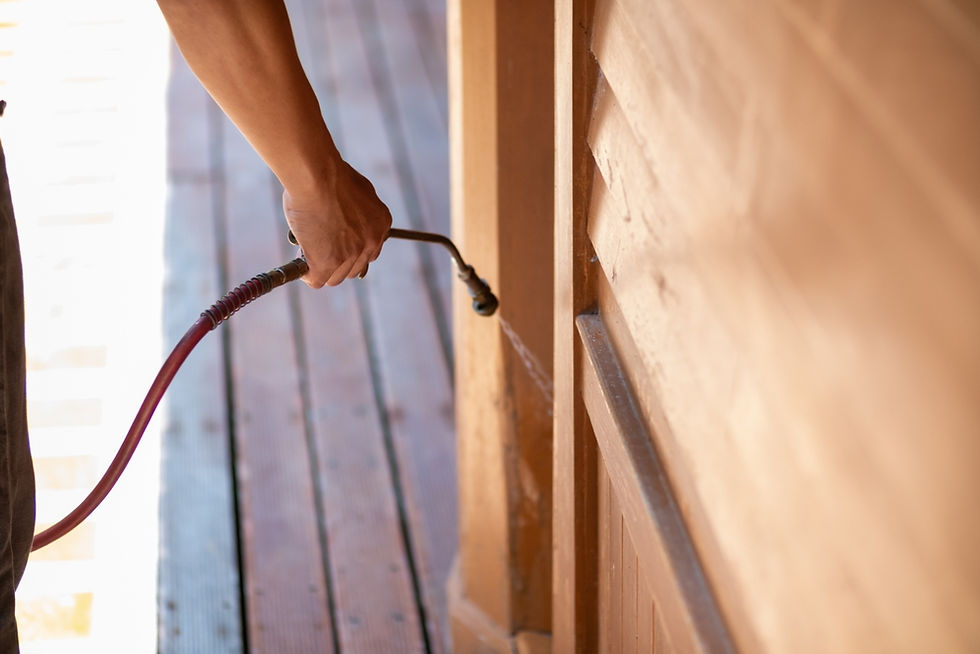
Depending on the location and severity of the infestation, professionals may use targeted treatment methods to manage active termite areas. Treatment should be selected based on the property's specific conditions and the type of termite involved.
Termite Monitoring Systems
Monitoring can form an important part of long-term termite management. Regular monitoring helps identify termite activity and allows property owners to respond before problems become more extensive.
Preventative Termite Control Strategies
Professional termite management is not only about treating existing infestations. Preventative measures can help reduce conditions that may attract or support termite activity.
Control Moisture Around the Property
Excess moisture can create favorable conditions for termites. Property owners should address leaking pipes, blocked drainage, water accumulation, and other moisture-related issues as part of a broader termite prevention strategy.
Maintain the Property Perimeter
Regularly inspect areas around foundations, gardens, fences, and external structures. Removing unnecessary timber, wood debris, and other cellulose-based materials from vulnerable areas can help reduce potential termite food sources.
Reduce Timber-to-Soil Contact
Where appropriate, keeping timber components separated from direct soil contact can make it easier to identify termite activity and reduce potential access points.

Signs That Your Property May Need Termite Control
Recognising warning signs early can help property owners arrange an inspection before significant damage occurs.
Damaged or Hollow Timber
Timber that becomes unusually weak, damaged, or hollow when tapped may indicate termite activity. However, professional assessment is needed to determine the actual cause.
Mud Tubes
Some termites build mud tubes as protected pathways between their colony and food sources. These may appear around foundations, walls, or other parts of a property.
Discarded Wings
Finding discarded wings near windows, doors, or other areas may indicate termite swarming and should be investigated.
Termite Control for Residential Properties
Homes can be vulnerable to termites, particularly where timber structures, gardens, moisture, or concealed entry points are present.
Protect Timber Structures
Regular inspections can help identify termite activity before it causes significant damage to structural and decorative timber.
Include Inspections in Property Maintenance
Adding routine termite inspections to a property's maintenance schedule can provide an opportunity to identify potential problems early.
Termite Control for Commercial Properties
Commercial buildings can also be affected by termite activity. Offices, retail properties, warehouses, and other commercial structures may contain timber components that can become vulnerable to infestation.
Reduce Business Disruption
Early detection and professional treatment can help property managers address termite concerns before they develop into more significant building maintenance issues.
Protect Your Commercial Investment
Regular termite control services can form part of a broader commercial property maintenance strategy, helping owners monitor potential pest risks and protect their investment.

Choosing a Professional Termite Control Provider
Picking an experienced pest management professional can help termite treatment happen more effectively, and kind of more structured too.
Look for Inspection Expertise
A suitable provider should be able to inspect accessible areas, identify potential signs of termite activity, and explain the findings clearly.
Consider Ongoing Pest Management
For properties at higher risk, ongoing inspections and monitoring may be beneficial. A professional can recommend an appropriate maintenance schedule based on the property's condition and risk factors.
Final Thoughts
Getting a handle on professional termite control techniques can help property owners take those more proactive steps to safeguard their buildings. Through inspections, targeted treatments, ongoing monitoring, moisture management, and preventative upkeep, you can generally keep termite issues under control in a practical way.
If you see damaged timber, mud tubes, discarded wings, or other clues that might suggest termite activity, it’s a good idea to arrange a professional inspection. That kind of check can help spot what’s happening and decide on the next steps that actually fit the situation. Acting early can limit further harm, and it supports long term protection for both residential and commercial properties.


Comments